greenoutlook
This section explores a broad range of topics, from the overall effects of various dietary patterns to the specific benefits of individual food items on disease. It invites you to discover diverse diets and nutrient-rich “superfoods” that you may not know about and wouldn’t want to miss out on.
Plant-based diets rich in fruits, vegetables, whole grains, legumes, and nuts are increasingly linked to lower cancer risks and better overall health. Research suggests they can help protect against several cancers, including prostate, colorectal, and lung, thanks to their high levels of antioxidants, fiber, and phytochemicals, which support healthy cell function and reduce inflammation. In contrast, the typical Western diet, which is heavy in processed meats, added sugars, and refined grains, contains carcinogens and harmful additives that may increase cancer risk.
While more studies are needed to fully understand the impact of plant-based eating on cancer prevention and recovery, the evidence so far is promising. Even gradual changes, like replacing processed snacks with fresh produce or adding more whole grains to meals, can make a difference. For a deeper look at the science and the specific foods that pack the most cancer-fighting power, explore the full paper.
We bring together students from diverse academic backgrounds to explore the intersections of nutrition, lifestyle, and mindfulness — creating a supportive community where knowledge, research, and practical strategies come together to improve the preparedness of future professionals in their respective fields.
Vegan
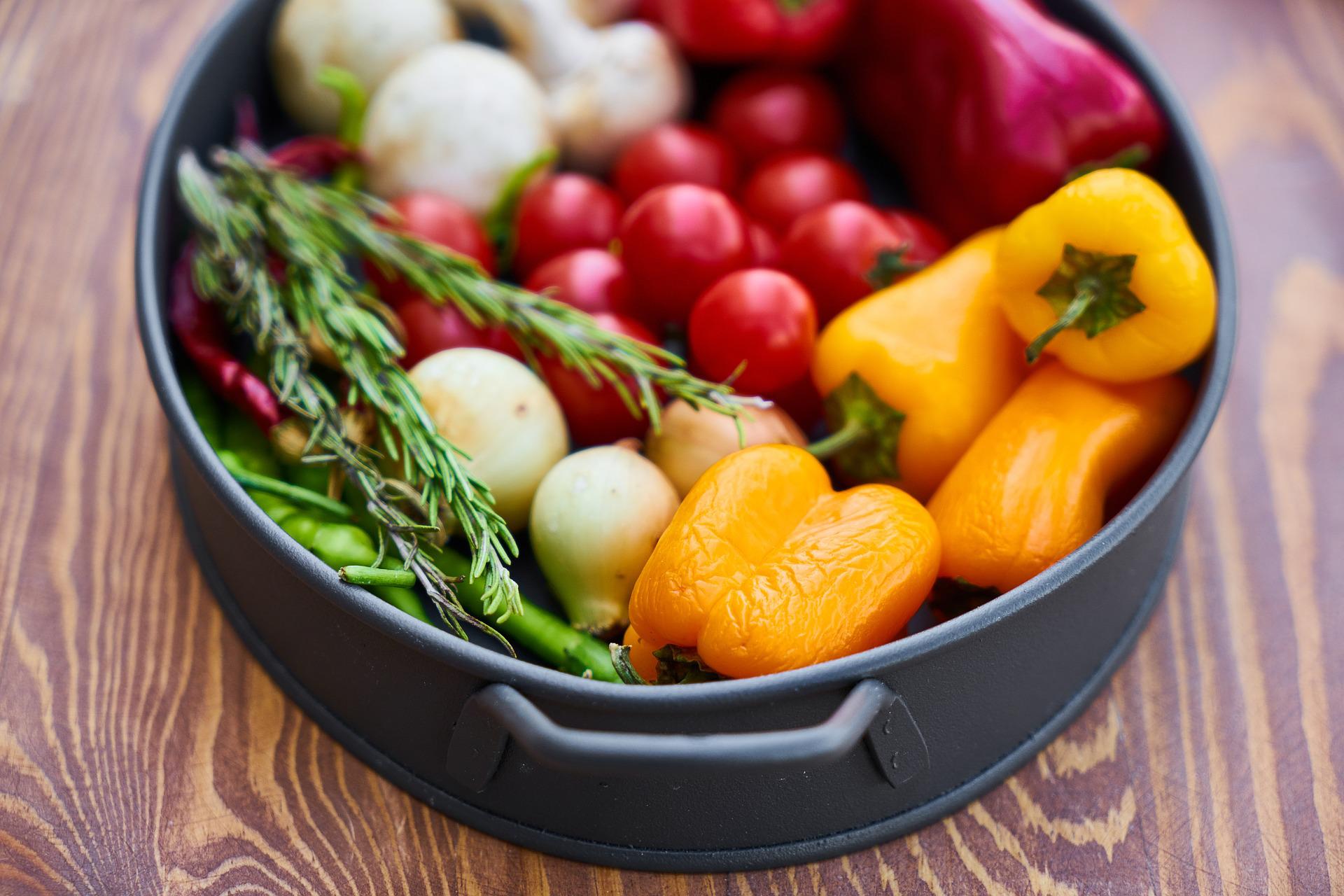
Benefits of veganism include easier digestion from lack of meat and animal products, and lower risk for colon cancer as well as other cancers. Cholesterol and A1C levels reduce when meat is eliminated from your diet, so heart disease becomes more preventable and body weight remains healthy. However, concentration on certain vegan-friendly foods can lead to weight gain and malnutrition. It is important to keep track of calories when on a vegan diet.
Paleo
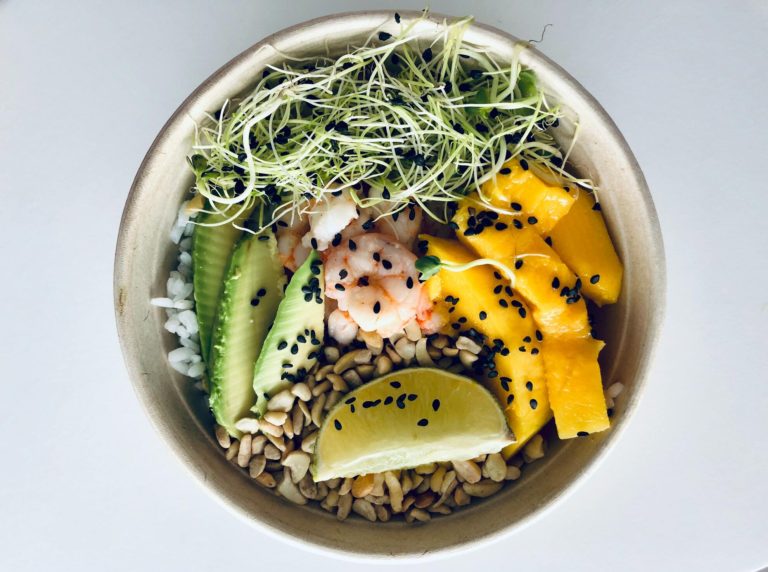
Benefits of a paleo diet include a very natural and primitive approach to diet. With a restriction on chips and other highly processed foods, wild caught meat and local produce can ensure the safest options for food. Paleo, coming from the word Paleolithic, is supposed to represent how people ate a long time ago. A world without all of these high-calorie, low-nutrient foods yielded healthier people, and it is still possible to follow similar guidelines. The diet includes higher amounts of fiber that help gastrointestinal processes and lower inflammation, a cause of cancer. The most important thing to keep in mind with a paleo diet is the proportion of meat to fruits and vegetables because in the Paleolithic era it was rare to eat meat often, which is why things like high cholesterol or heart disease are so common now.
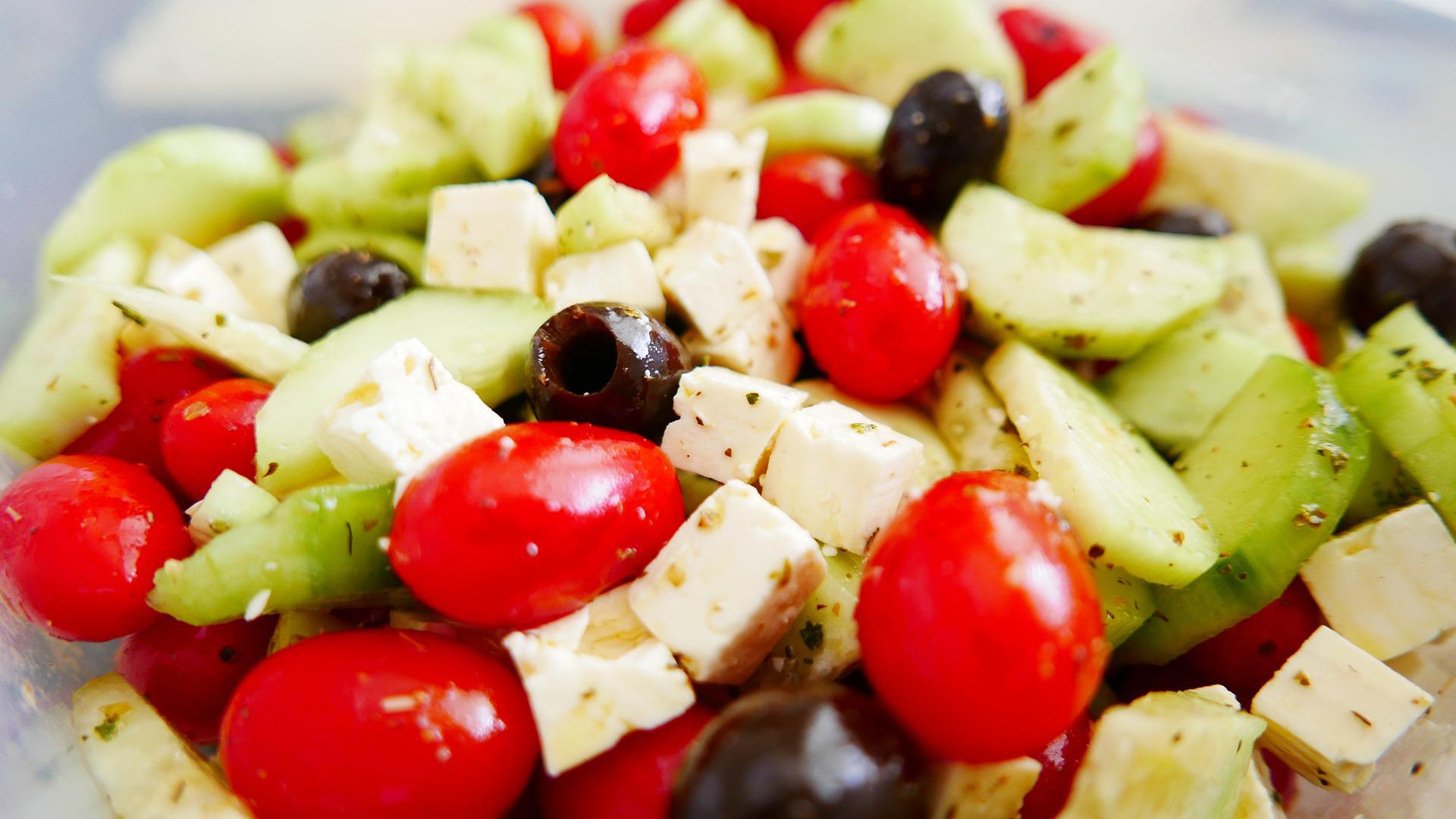
Mediterranean
Benefits of a paleo diet include a very natural and primitive approach to diet. With a restriction on chips and other highly processed foods, wild caught meat and local produce can ensure the safest options for food. Paleo, coming from the word Paleolithic, is supposed to represent how people ate a long time ago. A world without all of these high-calorie, low-nutrient foods yielded healthier people, and it is still possible to follow similar guidelines. The diet includes higher amounts of fiber that help gastrointestinal processes and lower inflammation, a cause of cancer. The most important thing to keep in mind with a paleo diet is the proportion of meat to fruits and vegetables because in the Paleolithic era it was rare to eat meat often, which is why things like high cholesterol or heart disease are so common now.
No matter what diet you follow, even healthy foods must be chosen selectively. Although it may seem like eating fruits and vegetables, regardless of their origin, may be good for the body, pesticides and fertilizers plague many of the produce you have to choose from. There are a few basic principles for choosing what foods should be bought organically or foods that are genetically modified.
Any fruits and vegetables that do not have a shell or protection from pesticides being sprayed on them are crucial to be bought organically. They become infected by the chemicals and eventually harmful for consumption. Foods like strawberries, blueberries, apples, etc. should be bought organically to prevent these chemicals from entering your body. However, watermelons, bananas, and other foods that require taking an outer layer off are okay to eat non-organically. Being conscious of whether a food is safe to eat GMO’d is necessary to be genuinely healthy.