

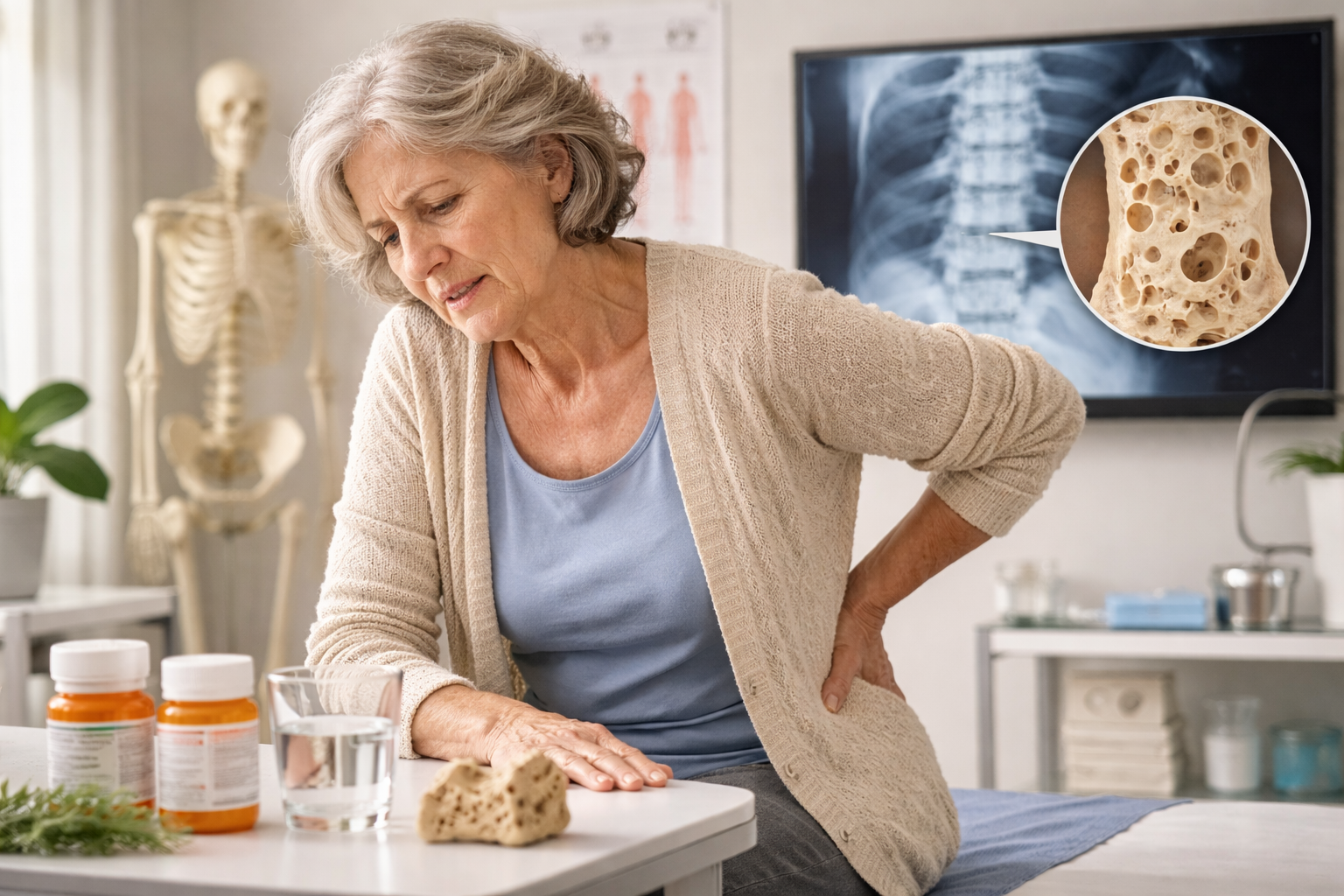
Most women don’t realize their bones are silently responding to the hormonal shifts in their body, long before any symptoms appear. What often goes unnoticed is how closely women’s hormones and diet work together to keep bones strong. Throughout a woman’s life, shifts in hormones, especially estrogen, quietly influence how quickly bones are built or broken down. When these hormonal changes meet a poor diet, the impact on both health can be far more serious than most realize.
Research has shown a strong link between estrogen levels and bone strength. Estrogen helps protect bones by slowing down the cells that break bone tissue apart. When estrogen levels drop, such as during irregular menstrual cycles, under-eating, or menopause, that protection is weakened. Studies have found that women can lose significant amounts of bones density during these times, putting them at a higher risk for developing osteoporosis later in life (Cheng et al., 2022). Osteoporosis is a disease that makes bones fragile and more likely to break, and women experience it far more often than men.
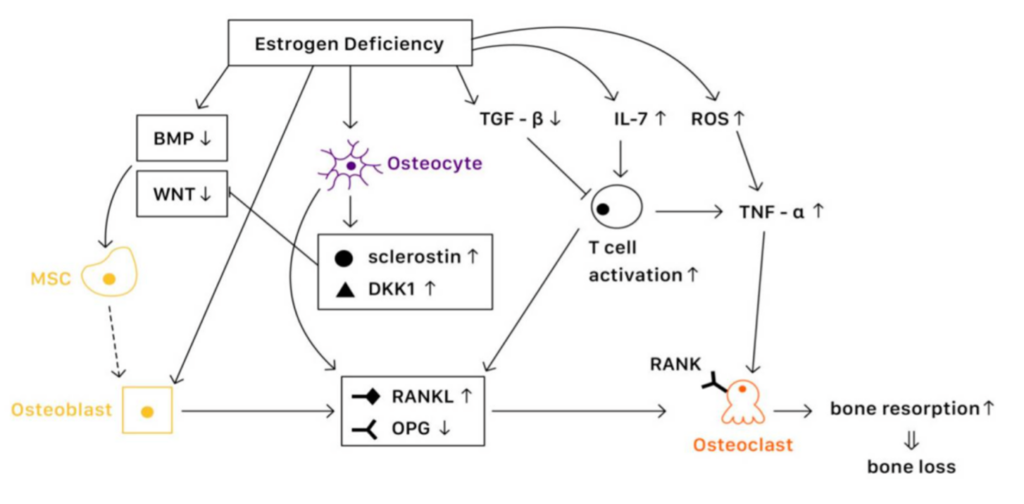
Figure 1: The mechanisms of estrogen deficiency related osteoporosis (EDOP).
Diet plays an essential role in how the body responds to these hormonal changes. Without enough nutrients, especially calcium, vitamin D, and protein, the bones cannot rebuild themselves properly. Research has demonstrated that low calcium intake is directly related to decreased bone mineral density, and vitamin D deficiency makes it harder for the body to absorb calcium at all (Muñoz-Garach et al., 2020).
Another major factor is overall energy intake. When women, particularly young women and athletes, do not eat enough to support their activity levels, the body may suppress estrogen production. This leads to menstrual irregularities and an increased risk of early bone loss. However, since diet has such a powerful influence on hormonal balance and bone strength, it is also one of the most effective ways to prevent osteoporosis. Increasing calcium-rich foods helps strengthen the bone structure, and vitamin D, which comes from sunlight and certain foods, improves calcium absorption and keeps bone-building processes running smoothly.
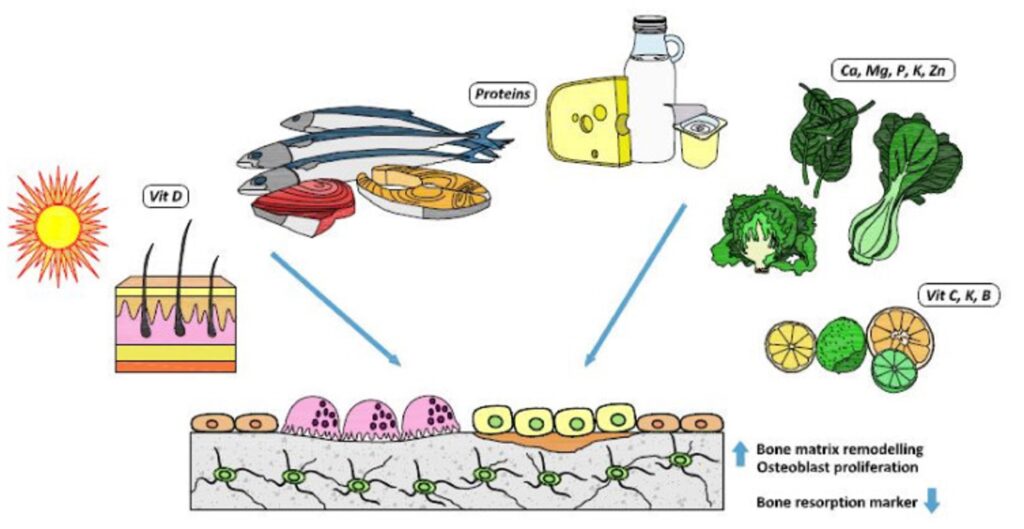
Figure 2: Nutrients and their bone effects.
Taking simple steps now can make a long-term difference. Prioritizing balanced meals, choosing nutrient-dense foods, and being aware of changes in menstrual patterns can help women protect their bones before problems arise. By understanding the silent link between hormones, diet, and bone health, women can take control of their well-being and lower their chances of osteoporosis in the future.
References:
Cheng, C.-H., Chen, L.-R., & Chen, K.-H. (2022). Osteoporosis Due to Hormone Imbalance: An Overview of the Effects of Estrogen Deficiency and Glucocorticoid Overuse on Bone Turnover. International Journal of Molecular Sciences, 23(3), 1376.
Muñoz-Garach, A., García-Fontana, B., & Muñoz-Torres, M. (2020). Nutrients and dietary patterns related to osteoporosis. Nutrients, 12(7), 1–16.